


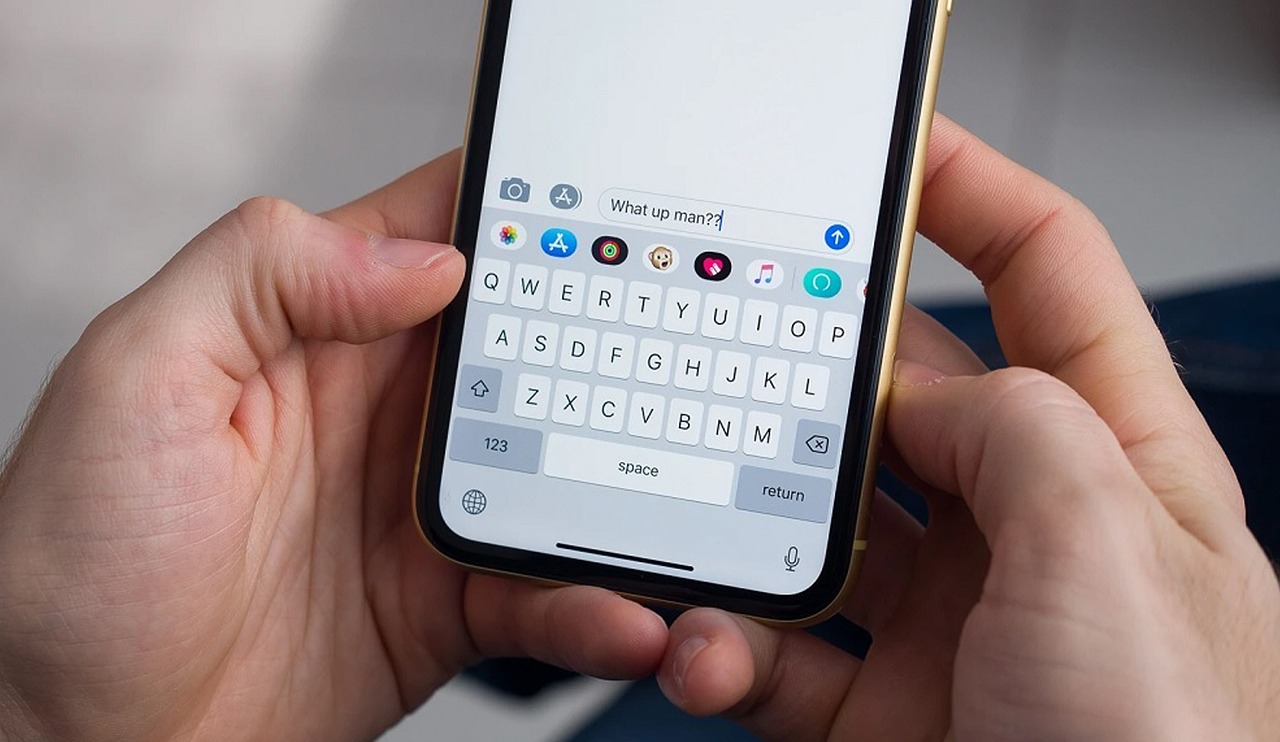
The phone call that goes to voicemail. The customer who doesn’t check their email until after 6 PM. The approval was delayed two hours because no one could reach the owner of the vehicle.
These are daily friction points on the service drive — and they’re almost entirely avoidable. The shift toward digital communication isn’t a trend worth monitoring. It’s already here, and the service departments that have embraced it are closing approvals faster, scoring higher on CSI, and creating a customer experience that feels modern, respectful, and effortless.
Here’s how to do it right.
Why Digital Communication Changes the Service Experience
Customers Have Already Voted With Their Behavior
The preference for text over phone calls isn’t generational — it’s nearly universal across age groups now. Customers text their doctors, their contractors, their real estate agents. When a service department insists on phone-only communication, it isn’t just inconvenient — it signals that the department is operating on the department’s terms rather than the customer’s. That signal lands in CSI surveys, whether advisors realize it or not.
Text Removes the Approval Bottleneck
One of the most consistent revenue leaks in service departments is the delayed approval. A technician completes an inspection, the advisor calls the customer, the customer doesn’t answer, a message is left, the vehicle sits, and the technician moves on to the next job. By the time the customer calls back, the opportunity to complete the repair efficiently has passed.
Text communication collapses that bottleneck. A customer who receives a text with an inspection summary and a clear approval request can respond in 30 seconds from a meeting, a classroom, or a lunch break. The repair moves forward. The technician stays productive. The vehicle is delivered on time. Everyone wins.
Best Practices for Texting on the Service Drive
Set the Expectation at Write-Up
Digital communication only works if the customer has opted in and is expecting it. The write-up is the right moment to establish the communication preference and set the tone for how the interaction will unfold.
Word Track:“The easiest way for me to keep you updated today is by text — that way you can respond whenever it’s convenient for you rather than having to take a call. Does that work for you?”
Most customers will say yes immediately. For those who prefer a call, honor it without hesitation. The goal is to meet the customer where they are, not to standardize communication in a way that serves the department more than the customer.
Use Text for Updates, Not Just Approvals
The advisor who only texts when they need something trains the customer to view incoming messages as requests rather than service. Build a communication rhythm that includes proactive updates — a message when the vehicle goes into the bay, a message when the inspection is complete, a message when the vehicle is ready — alongside the approval requests.
This approach mirrors what customers experience with services like Amazon and DoorDash — status updates that keep them informed without requiring them to ask. It reduces inbound calls, increases satisfaction, and signals a level of operational organization that builds trust and reinforces confidence in the entire service experience.
Word Track for Status Update:“Hi [Name], just wanted to let you know your [vehicle] is with our technician now. I’ll have a full update for you within the hour.”
Send the Digital Inspection With Every Recommendation
Text approvals work best when they’re paired with visual evidence. A customer who receives a text with a link to their digital multi-point inspection — including photos of the specific items being recommended — has everything they need to make a confident decision without a lengthy phone explanation.
The photo of the degraded brake pad, the dark transmission fluid, the cracked serpentine belt — these images do the explaining that used to require a ten-minute phone call. Customers who see the evidence approve at higher rates and with more confidence because the recommendation feels transparent rather than arbitrary.
Internal Link: For more on using inspection findings to drive maintenance approvals, see our guide on how to sell maintenance to customers who just want an oil change.
Keep Text Messages Clear, Brief, and Professional
The informal nature of texting creates a real risk on the service drive — advisors who communicate too casually, use abbreviations, skip punctuation, or send fragmented messages that create confusion rather than clarity. Every text your department sends is a brand touchpoint.
A few non-negotiable standards for professional service drive texting: always use the customer’s name in the opening message, keep language clear and free of jargon, include a specific call to action when approval is needed, and always identify yourself and the dealership in the first message of any new thread.
Word Track for Approval Request:“Hi [Name], this is [Advisor] at [Dealership]. Your technician completed the inspection on your [vehicle]. In addition to your oil change, we found your rear brake pads are at 2mm — the manufacturer’s minimum is 3mm. I can take care of those today for $189. Would you like to go ahead?”
Specific. Clear. Professional. Actionable.
Respond to Customer Texts Within Minutes, Not Hours
Adopting text communication creates an implicit contract with the customer — if they can reach you instantly, they expect a reasonably prompt response. A customer who texts a question and waits two hours for an answer experiences worse service than a customer who left a voicemail and received a callback, because the medium created an expectation of immediacy.
Set internal standards for text response times — 15 minutes is a reasonable benchmark during service hours — and build accountability around meeting them. Slow text responses don’t just frustrate customers in the moment. They show up in CSI surveys as communication failures.
Digital Communication Beyond the Repair Process
Use Text for Declined Service Follow-Up
The repair that didn’t get approved today is revenue that belongs in a follow-up conversation — and text is the most effective channel for that conversation. A brief, non-pressuring message a few days after the visit keeps the recommendation visible without the awkwardness of a cold call.
Word Track:“Hi [Name], this is [Advisor] at [Dealership] — hope the [vehicle] is running well. Just wanted to follow up on the brake pads we noted during your last visit. We’re happy to get those scheduled whenever works for you.”
Short. Friendly. No pressure. And far more likely to receive a response than a voicemail.
Leverage Text for Appointment Reminders and Reviews
Text reminders reduce no-shows more effectively than email or phone reminders because open rates are dramatically higher. A simple confirmation message the day before a scheduled appointment — with an easy link to reschedule if needed — keeps your schedule full and reduces the revenue impact of last-minute gaps.
Post-visit, a text-based review request sent within an hour of vehicle pickup captures the customer at peak satisfaction and produces higher response rates than requests sent by email the following day. Timing matters as much as the channel.
Internal Link: For a deeper look at how communication behaviors drive CSI outcomes, see our guide on what your CSI score is really telling you.
Building a Digital Communication Culture on the Drive
Individual advisors who text well produce better results than those who don’t. But the real performance lift comes when the entire department operates from consistent digital communication standards — shared word tracks, response time benchmarks, inspection delivery protocols, and follow-up sequences that run reliably regardless of which advisor is handling the customer.
That consistency is a management responsibility. Service managers who define the standards, train them, and hold the team accountable to them create a customer experience that feels seamless and professional at every touchpoint — not just when the best advisor happens to be on the drive.
For training programs that develop the communication skills and operational habits that drive real service department results, visit Automotive Service Training.
FAQs: Using Digital Communications for Customer Service
Q: What if a customer prefers phone calls over text?
Always honor the customer’s communication preference without hesitation. The goal of adopting digital communication is to serve customers on their terms — not to replace phone communication entirely. Advisors should ask at write-up and document the preference so every interaction that follows matches what the customer actually wants.
Q: Do we need special software to text customers from the service drive?
Dedicated service communication platforms — many of which integrate directly with your DMS — make texting more manageable, trackable, and professional than personal cell phones. They also provide documentation of every communication exchange, which protects the dealership and gives managers visibility into how digital communication standards are being applied across the team.
Q: How do we handle sensitive conversations — like a much larger repair estimate than expected — over text?
Text is excellent for routine updates and straightforward approvals. For conversations that involve significant unexpected costs, complex explanations, or emotionally charged situations, a phone call or in-person conversation is almost always the better choice. The rule of thumb is simple: if the conversation requires nuance or empathy, pick up the phone.
Q: Can digital communication actually improve CSI scores?
Consistently yes. Proactive text updates, timely responses, and transparent digital inspections directly address the communication and transparency factors that drive CSI survey scores. Departments that implement structured digital communication protocols report measurable CSI improvement within the first 60 to 90 days.
Q: What are the legal considerations around texting customers?
Customers should explicitly opt in to text communication — both for compliance with regulations like the TCPA and for basic customer experience reasons. Capture consent at write-up or through your scheduling platform, document it in your DMS, and ensure your communication platform maintains a record of opt-in status for every customer contact.
Q: How do we train advisors who are uncomfortable with digital communication?
Start with word track templates that remove the uncertainty about what to say and how to say it. Practice sending inspection summaries and approval requests during role-play sessions before advisors use them with real customers. Comfort with digital communication builds quickly once advisors see the response rates and approval speed it produces compared to phone-only communication.
Q: How does digital communication affect the relationship with the customer — does it feel less personal?
When done well, it feels more personal — not less. A customer who receives a proactive status update, sees photos of their specific vehicle’s inspection findings, and gets a prompt response to their question feels more attended to than a customer who left a voicemail and waited. The medium doesn’t determine warmth — the content and consistency do. Explore communication training programs at Automotive Service Training.




 Based in the USA