
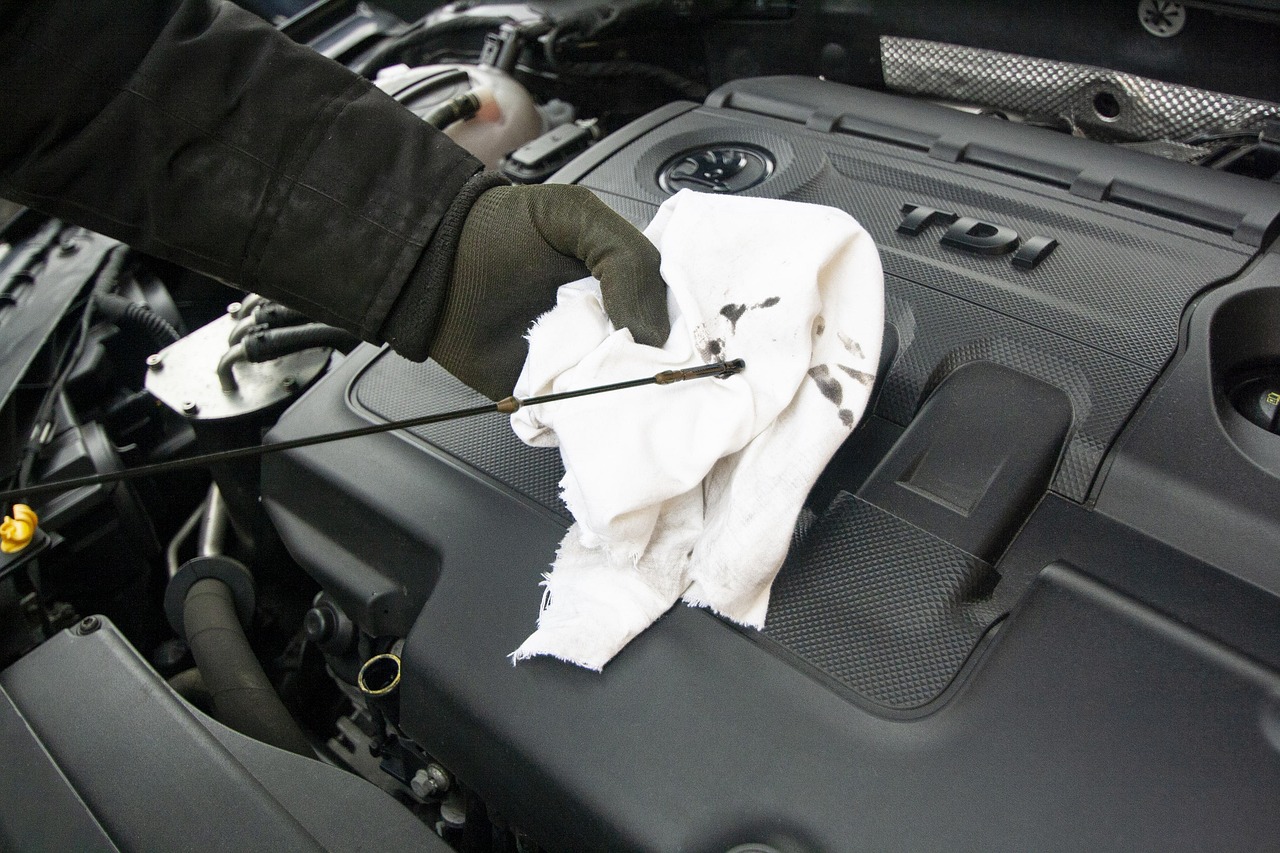
The oil change customer is the most common customer on the service drive — and the most underestimated opportunity in the building.
They walked in with one thing in mind and a guard up against anything beyond it. But that guard isn’t about stubbornness. It’s about trust, clarity, and perceived value. When you understand what’s actually driving the resistance, presenting maintenance recommendations becomes less about selling and more about serving — and the results follow naturally.
Here’s the step-by-step framework for turning a minimal-expectation visit into a confident maintenance conversation.
Why “Just an Oil Change” Customers Push Back
Before you can change the outcome, you need to understand the dynamic. Customers who arrive expecting only an oil change have usually been burned before — upsold on something they didn’t understand, pressured into a service they weren’t sure they needed, or handed an invoice that felt disconnected from what they agreed to.
The Trust Deficit Is the Real Barrier
Price resistance and “I’ll think about it” responses are almost always downstream of a trust problem. The customer isn’t rejecting the service — they’re protecting themselves from an experience they’ve had before. Your job in the first five minutes of the interaction is to signal, clearly and credibly, that you’re different.
Confusion Kills Commitment
Many customers decline maintenance recommendations not because they don’t want the service but because they don’t understand why they need it. “Your differential fluid is due” means nothing to most customers. The advisor who can translate technical recommendations into plain-language, vehicle-specific reasons earns a yes far more consistently than the advisor who rattles off a menu of services.
The Step-by-Step Framework for Presenting Maintenance Recommendations
Step 1 — Establish the Vehicle’s Story at Write-Up
The write-up is where the maintenance conversation actually begins. Ask questions that invite the customer to talk about their vehicle — how long they’ve owned it, how they use it, whether they’ve noticed anything different. This does two things: it gives you useful diagnostic context, and it shifts the customer’s mindset from “I’m here to get something done to my car” to “someone is paying attention to my specific vehicle.”
Word Track:“Before we get you checked in, can I ask — how long have you had this one, and how has it been running for you?”
Step 2 — Perform a Genuine Multi-Point Inspection
Every maintenance recommendation you make needs to be grounded in the actual condition of the vehicle. Customers can tell the difference between a service that was recommended because the mileage interval is due and a service that was recommended because a technician physically checked the fluid and it’s dark, degraded, and overdue.
Use inspection photos wherever possible. Visual evidence converts skeptics faster than any word track.
Step 3 — Present Findings in Plain Language With a Reason
This is where most advisors lose the sale. They present the what without the why, and customers fill the gap with skepticism.
Every recommendation should follow this structure: what was found, what it means for the vehicle, and what happens if it’s addressed versus ignored.
Word Track:“When the tech checked your coolant, it’s showing acidic — what that means is it’s lost its ability to protect the engine from corrosion. It’s one of those things that’s inexpensive to address now and expensive to deal with later.”
Plain language. Specific finding. Real consequence. No jargon.
Step 4 — Prioritize Recommendations Honestly
Presenting six services at once overwhelms customers and triggers blanket refusals. Instead, tier your recommendations by urgency — what needs to happen today for safety or to prevent damage, what should be addressed soon, and what can wait until the next visit.
This approach does something counterintuitive: it actually increases approval rates. When customers see that you’re not trying to sell them everything at once, they trust the recommendations that matter most — and they approve them.
Word Track:“Of everything we found today, there are really two things I’d prioritize. The rest can wait — but these two I wouldn’t put off.”
Step 5 — Give the Customer a Decision, Not a Demand
Close the recommendation with a clear, low-pressure choice. Avoid open-ended uncertainty, which invites delay, and avoid pressure, which triggers resistance.
Word Track:“Do you want to go ahead and take care of the coolant flush while we have it in today, or would you prefer to schedule it for your next visit?”
This framing respects the customer’s autonomy while keeping both options on the table — and it avoids the “let me think about it” dead end by making the decision feel simple and immediate.
Internal Link: For deeper training on handling hesitation and objections on the service drive, see our guide on handling the “I need to think about it” objection.
What Separates High-Approval Advisors From the Rest
The advisors who consistently convert oil change customers into maintenance approvals aren’t more aggressive — they’re more credible. They’ve built a write-up process that signals genuine attention. They present findings with specificity and honesty. They prioritize rather than overwhelm. And they ask for a decision in a way that feels like a natural next step, not a sales pitch.
These are learnable skills. Every one of them improves with deliberate practice and structured feedback.
Internal Link: Build the presentation and communication skills that drive maintenance approvals with programs at Automotive Service Training.
FAQs: How to Sell Maintenance Packages
Q: How do I recommend additional services without seeming pushy?
Ground every recommendation in a specific finding from the inspection, explain it in plain language, and prioritize honestly. Customers respond to advisors who clearly have their vehicle’s best interest in mind — pushiness is usually a symptom of recommending without explaining, not of recommending at all.
Q: Should I present all maintenance recommendations at once or space them out?
Prioritize and tier them. Present the two or three most urgent items clearly, note what can wait, and give the customer a clear decision on the priority items. This approach produces higher approval rates than presenting a full list and hoping something sticks.
Q: What if the customer says the dealership always tries to upsell them?
Acknowledge it directly and use it to differentiate yourself. “I hear that a lot, and honestly, it’s a fair concern. What I try to do is show you exactly what we found and let you decide — no pressure either way.” Then follow through on that promise.
Q: How important are inspection photos for maintenance approvals?
Extremely. Customers who can see what the technician found approve services at significantly higher rates than customers who receive verbal recommendations alone. If your shop has digital inspection capability, using it consistently is one of the highest-ROI habits an advisor can build.
Q: How do I handle a customer who declines everything beyond the oil change?
Respect the decision, document the declined services in their file, and plant a seed for the next visit. “No problem at all — I’ll note what we found so we can keep an eye on it next time you’re in.” This keeps the door open, reinforces that you’re tracking their vehicle, and sets up the follow-up conversation naturally.
Q: What’s the best way to explain value to a price-sensitive customer?
Connect the cost of the recommended service to the cost of what it prevents. A $150 coolant flush is easy to decline in isolation. A $150 coolant flush framed against a $2,000 head gasket repair is a completely different conversation. Real numbers, real consequences, no exaggeration.
Q: Can training actually improve maintenance approval rates?
Consistently yes. Approval rates are directly tied to how recommendations are presented — the language used, the order of information, and the framing of the decision. These are trainable skills, and advisors who develop them through structured programs show measurable improvement in approval rates within weeks. Explore available training at Automotive Service Training.




 Based in the USA